Mobile Promotion Sequences Integrate Live Dealer Table Outcomes with Sportsbook Parlay Frameworks
Viktor Werner · Oct 30, 2026
Mobile Promotion Sequences Integrate Live Dealer Table Outcomes with Sportsbook Parlay Frameworks
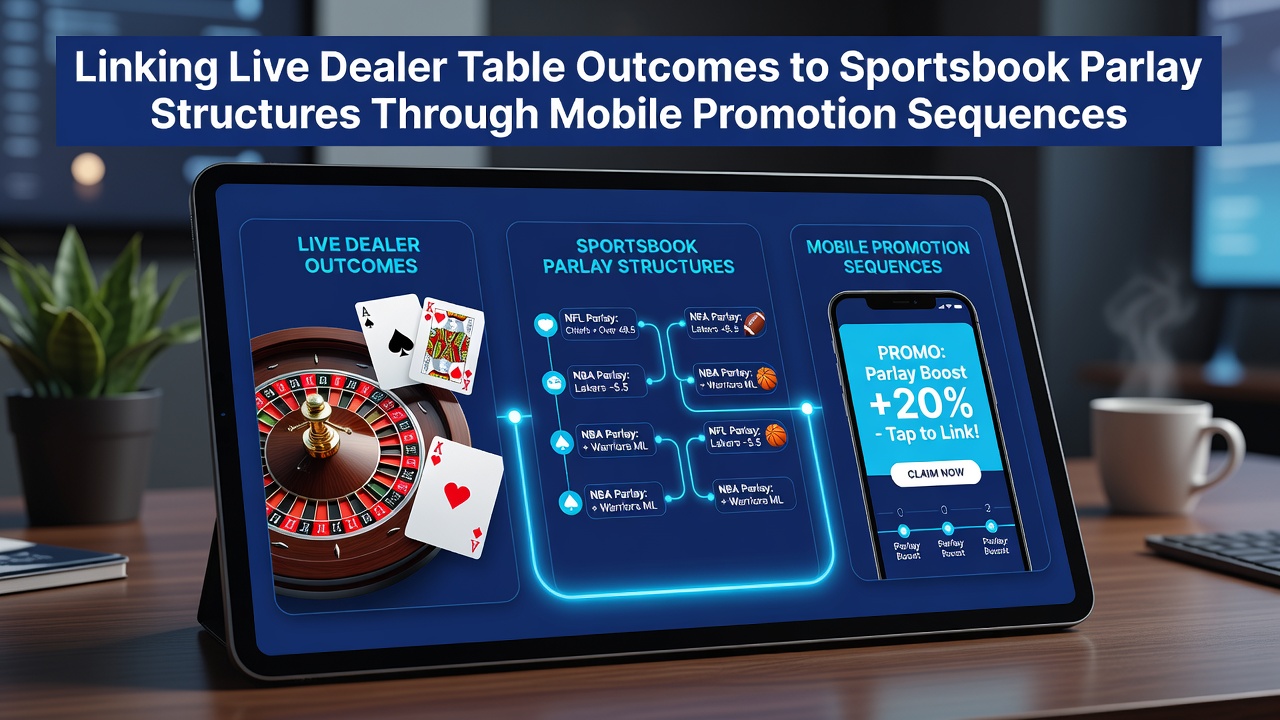
Platforms have developed sequences that tie results from live dealer tables directly to parlay structures in sportsbooks, and these connections operate through mobile promotion pathways that adjust odds and bonuses in real time. Developers build these systems so that outcomes from games such as blackjack or roulette trigger specific multipliers or additional legs in parlay bets placed on football or basketball events. Data from October 2026 shows increased adoption of these integrated sequences across multiple operators, as user engagement metrics rose when promotions linked table results to sports markets within the same application session.
Technical Architecture Behind the Integration
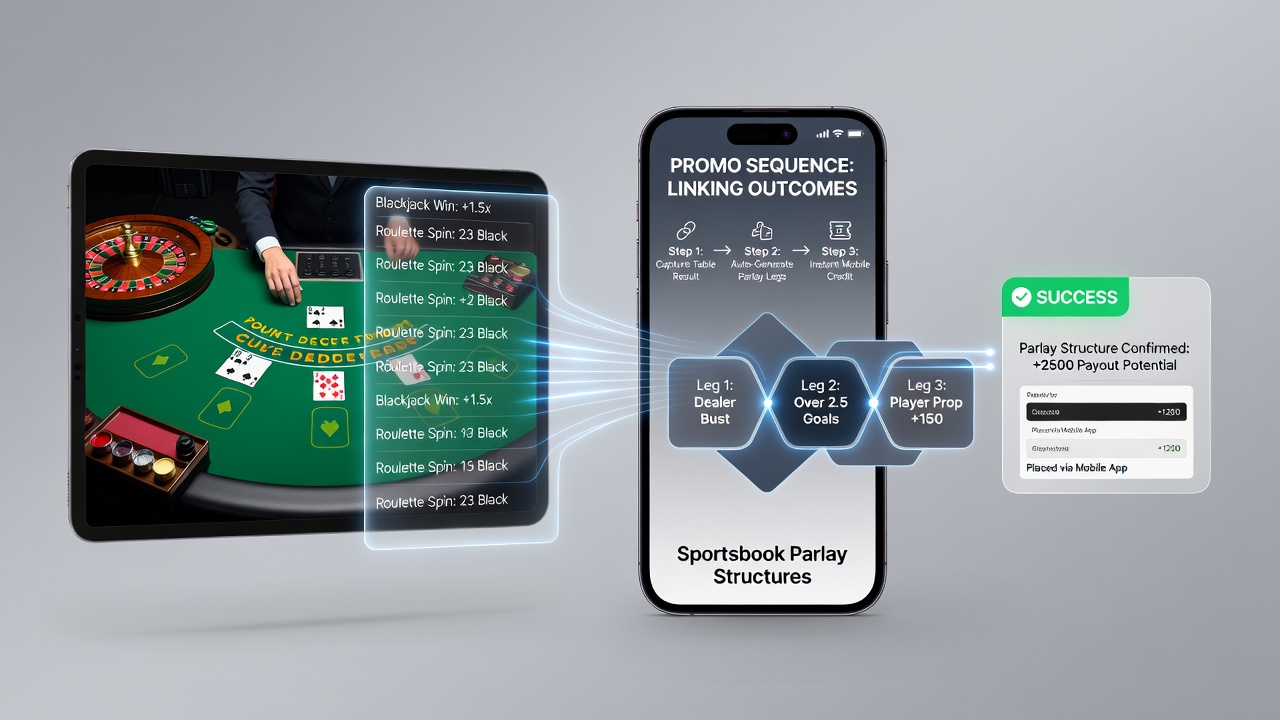
Software engineers design application programming interfaces that pull live dealer results into the sportsbook backend, then apply algorithmic rules to modify parlay availability or payout potential. These rules activate when a player completes a qualifying table game round, at which point the system evaluates the outcome against predefined thresholds before unlocking enhanced parlay options. Observers note that latency remains under two seconds in most implementations, allowing the promotion sequence to feel immediate to the user on mobile devices.
Database schemas store historical table outcomes alongside sports event probabilities, creating datasets that operators use to calibrate promotion triggers. One implementation tested in 2026 adjusted parlay odds by 0.15 decimal points when a live dealer roulette spin landed on a specific color combination, and the adjustment applied only to users who had opted into the sequence through the mobile interface.
Promotion Sequence Mechanics in Practice
Mobile promotion sequences typically follow a three-step flow: a player places a table game wager, the live dealer outcome registers in the system, and the sportsbook layer presents a parlay suggestion or bonus multiplier. The sequence ends when the player either accepts the modified parlay or declines within a set time window. Figures from industry reports indicate that completion rates for these sequences reached 34 percent in markets where operators offered tiered rewards based on consecutive table wins.
Operators segment users by activity level so that high-volume table players receive sequences with larger potential parlay boosts, while newer users see simpler links between single table outcomes and smaller sports wagers. The segmentation relies on player history stored in the mobile application database, and the system refreshes eligibility every 24 hours to maintain relevance.
Regulatory Context Across Regions
Regulatory bodies in multiple jurisdictions have begun reviewing these integrated sequences to ensure compliance with existing rules on game fairness and responsible gambling features. The Casino Regulatory Authority of Singapore published guidelines in mid-2026 that require operators to disclose how table outcomes influence sports betting parameters within the same promotion. Similar scrutiny appears in Canadian provincial frameworks, where data reporting on cross-product promotions must separate table game results from sports market adjustments.
According to documentation from the American Gaming Association, several U.S. states now request quarterly summaries that detail the frequency and payout impact of sequences connecting live dealer tables to parlay structures. These summaries help regulators track whether the promotions create unintended concentrations of risk for individual players.
Player Behavior Patterns Observed in 2026
Analytics platforms tracking mobile sessions report that users who engage with linked sequences spend an average of 12 additional minutes per session compared with those who use table games or sportsbooks in isolation. The additional time stems from the decision point where the system presents the modified parlay after a table outcome registers. Research from academic groups studying digital gambling interfaces indicates that the sequential presentation increases cross-product exploration without necessarily raising overall wager amounts.
One study released in October 2026 by a European research consortium examined 1.2 million sessions and found that sequences ending in accepted parlays showed higher retention rates over a 30-day period than sequences that users declined. The data also revealed geographic variation, with higher acceptance in markets where operators offered visual indicators on the mobile screen that previewed the potential parlay adjustment before the table round concluded.
Future Development Directions
Engineers continue to refine the matching algorithms that connect table outcomes to parlay legs, testing machine learning models that predict which sports markets will appeal most after specific dealer results. Early tests suggest that incorporating weather data or player injury updates into the prediction layer can improve sequence relevance when the linked parlay involves live in-play betting. Operators plan further pilots before the end of 2026 that will expand the number of table games included in these sequences.
Conclusion
Mobile promotion sequences have created measurable pathways between live dealer table outcomes and sportsbook parlay structures, supported by backend integrations and regulatory oversight that continues to evolve. Data collected through October 2026 demonstrates consistent user engagement patterns across regions, while technical refinements focus on speed and personalization. The structures remain subject to ongoing review by multiple regulatory bodies to maintain alignment with fairness and transparency standards.